
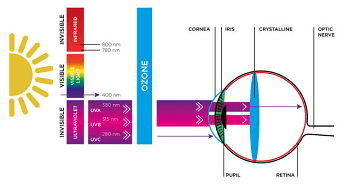
With summer in full swing, July is the ideal month to focus on protecting ourselves from ultraviolet (UV) radiation. As UV Safety Month, July is dedicated to raising awareness about the risks of UV exposure—not just to our skin but also to our eyes. While many people are vigilant about applying sunscreen, fewer may realize the importance of shielding their eyes from the sun’s harmful rays. Taking proactive measures to protect our eyes from UV exposure can prevent serious eye conditions and maintain healthy vision.
Understanding UV Radiation and Its Risks
UV radiation comes from the sun and is classified into two types that affect us the most: UVA and UVB. Both types can damage our eyes and the skin around them, even on cloudy days.
- UVA Rays: Penetrate deeply into the eye, potentially affecting the retina over time. These rays are present all year round and can accelerate aging and contribute to conditions like cataracts.
- UVB Rays: While less penetrating, UVB rays are more intense and can cause surface-level damage, such as photokeratitis (a painful sunburn of the cornea), and may also lead to long-term conditions like pterygium.
Common Eye Conditions Associated with UV Exposure
Extended UV exposure can contribute to several eye conditions, including:
- Cataracts: Clouding of the eye’s natural lens, which can impair vision and may require surgery.
- Macular Degeneration: A condition that affects the retina and is a leading cause of vision loss in older adults.
- Photokeratitis: Essentially a sunburn of the eye’s surface, which can be painful and may cause temporary vision loss.
- Pterygium: Growth on the white of the eye, which can affect vision if it extends to the cornea.
How to Protect Your Eyes from UV Radiation
- Wear Sunglasses with 100% UV Protection: Not all sunglasses are created equal. Choose sunglasses labeled “100% UVA and UVB protection” or “UV400,” which indicates complete protection from UV rays.
- Opt for Wraparound Styles: Sunglasses that wrap around the sides of the face offer added protection by blocking UV rays from multiple angles.
- Consider Polarized Lenses for Glare Reduction: Polarized sunglasses reduce glare from reflective surfaces like water and pavement, enhancing comfort, though they don’t necessarily increase UV protection.
- Use a Broad-Brimmed Hat: A wide-brimmed hat can block approximately 50% of UV rays and reduce the amount of UV that reaches the eyes.
- Be Cautious on Cloudy Days: Up to 80% of UV rays penetrate clouds, so sunglasses and hats are important even when it’s overcast.
- Wear UV-Blocking Contact Lenses: If you wear contacts, consider lenses that provide UV protection, though they should be used alongside sunglasses, as they don’t cover the entire eye.
- Avoid Peak Sun Hours: UV radiation is strongest between 10 a.m. and 4 p.m. Limiting time outdoors during these hours or wearing protective eyewear is crucial.
- Protect Children’s Eyes: Children are especially vulnerable to UV damage because their eyes are more sensitive. Make sure they wear sunglasses and hats when outdoors.
Observing UV Safety Month
UV Safety Month is the perfect time to prioritize eye health and make UV protection a habit for you and your family. Here are a few ways to embrace UV Safety Month:
- Replace Old Sunglasses: Sunglasses can lose their protective qualities over time, so check the lenses and replace any that show wear.
- Educate Loved Ones: Share UV safety tips with friends and family to help them protect their eyes and prevent long-term damage.
- Schedule an Eye Exam: Regular eye exams are essential for monitoring eye health and detecting any early signs of UV-related damage.
- Set an Example: Wearing sunglasses consistently can set a great example, especially for kids, reinforcing the importance of protecting our eyes from UV rays.
Conclusion
UV Safety Month is a reminder to safeguard your eyes from UV exposure. Whether you’re heading to the beach or simply enjoying a sunny day in the park, make it a habit to wear UV-blocking sunglasses and take steps to reduce your risk of UV-related eye conditions. By being proactive this July, you can protect your vision and ensure your eyes stay healthy for years to come.
Make your appointment today
To make your appointment, simply give us a call (760)-948-3345 or
or
Due to COVID-19 safety protocols, all eyewear services are currently by appointment only. Please call to make an appointment.
At Golden Eye Optometry, we view good vision care as front line protection at every age. A routine eye exam can detect more than poor vision. It can shed early light on glaucoma, macular degeneration, cataracts and diabetes.


