
Intro paragraph:
Color blindness, or color vision deficiency, is a condition that affects how people perceive colors. While it doesn’t usually cause complete blindness, it can make distinguishing certain colors challenging. Understanding the causes of color blindness helps in recognizing the condition and adapting daily activities for better visual comfort.
What is Color Blindness?
Color blindness occurs when the cones in the retina—the cells responsible for detecting color—don’t function properly. This results in difficulty distinguishing certain colors, most commonly reds, greens, and sometimes blues. The severity can range from mild to significant, depending on the type and cause.
Common Causes of Color Blindness
1. Genetic Causes (Inherited Color Blindness)
-
The most common cause of color blindness is genetics.
-
It often results from mutations in the genes that produce photopigments in cone cells.
-
Men are more likely to be affected due to the X-linked inheritance pattern.
-
This type is present from birth and usually remains stable throughout life.
2. Eye Diseases
Certain eye conditions can lead to acquired color blindness:
-
Glaucoma
-
Cataracts
-
Macular degeneration
-
Diabetic retinopathy
These diseases can damage the retina or optic nerve, affecting color perception.
3. Medications and Chemicals
Some drugs and chemicals can temporarily or permanently affect color vision:
-
Certain antibiotics, blood pressure medications, or anti-inflammatory drugs
-
Exposure to chemicals like fertilizers or solvents
Always consult your doctor if you notice color vision changes while on medication.
4. Aging
As people age, the lens of the eye can yellow slightly, which may alter color perception. Although mild, this natural change can impact color distinction, especially in older adults.
5. Trauma or Eye Injury
Damage to the eye or optic nerve from accidents, surgery, or head trauma can affect how the brain processes color information, resulting in acquired color blindness.
Types of Color Blindness
-
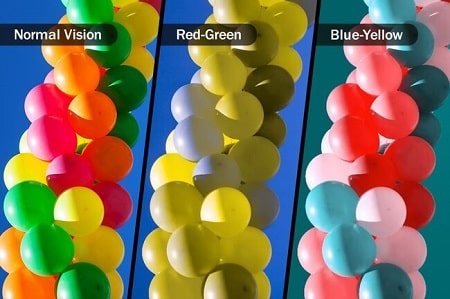
Red-Green Color Blindness: Most common type; trouble distinguishing reds and greens
-
Blue-Yellow Color Blindness: Difficulty differentiating blues and yellows
-
Total Color Blindness (Achromatopsia): Rare; sees only shades of gray
Understanding the type helps with management and adaptation strategies.
Living with Color Blindness
While there is no universal cure for inherited color blindness, people can:
-
Use color-corrective lenses or glasses
-
Rely on labels and patterns instead of color alone
-
Adjust digital displays to make colors more distinguishable
-
Educate family, teachers, or coworkers about the condition for support
Early recognition in children helps with learning and daily activities.
When to See an Eye Specialist
Consult an eye doctor if:
-
You notice sudden changes in color perception
-
Vision problems accompany color difficulty
-
You have a family history of color vision deficiency
Professional testing can confirm the type and severity of color blindness.
Conclusion
Color blindness is a common vision condition with multiple causes, including genetics, eye diseases, medications, and aging. While it cannot always be cured, understanding the causes and types helps manage daily life effectively. With proper awareness, tools, and support, people with color vision deficiency can navigate the world safely and confidently.
To check your color vision and get professional guidance, book your eye appointment here.
Make your appointment today
To make your appointment, simply give us a call (760)-948-3345 or
or
At Golden Eye Optometry, we view good vision care as front line protection at every age. A routine eye exam can detect more than poor vision. It can shed early light on glaucoma, macular degeneration, cataracts and diabetes.
Information received through Golden Eye Optometry social media channels is for informational purposes only and does not constitute medical advice, medical recommendations, diagnosis, or treatment. Always seek the advice of your eye doctor, physician, or other qualified health provider with any questions you may have regarding a medical condition.