What Are Eye Floaters and How to Protect Your Eyes
Have you ever noticed tiny specks, cobwebs, or thread-like shapes drifting through your vision when you look at a bright surface or clear sky? These visual disturbances are called eye floaters, and while they’re usually harmless, they can sometimes signal an underlying eye condition that needs medical attention.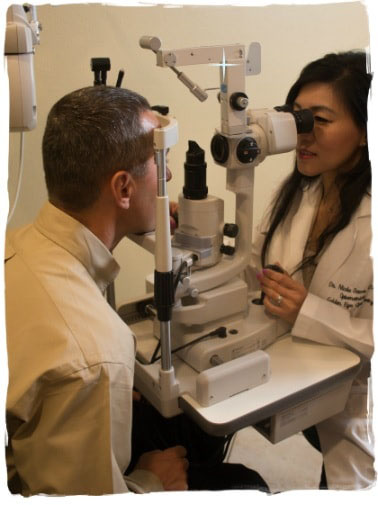
Let’s take a closer look at what floaters are, what causes them, and how you can protect your vision.
👁️ What Are Eye Floaters?
Eye floaters are small clumps or strands of gel-like substance that form in the vitreous humor, the clear gel that fills the inside of your eye. As we age, the vitreous starts to liquefy and shrink, causing these particles to cast shadows on the retina — the light-sensitive tissue at the back of the eye.
These shadows appear as:
- Specks
- Threads
- Cobwebs
- Squiggly lines
- Transparent bubbles
Floaters often move when your eyes move, and they may drift away when you try to look directly at them.
🧬 What Causes Eye Floaters?
Most common causes include:
- Natural aging: Most floaters are a normal part of aging, especially after age 50.
- Posterior vitreous detachment (PVD): When the vitreous gel pulls away from the retina.
- Nearsightedness (myopia): People with high myopia are more likely to experience floaters at a younger age.
- Eye injury: Trauma can cause bleeding or clumping in the vitreous.
- Eye surgeries: Procedures like cataract surgery can lead to floaters.
- Inflammation inside the eye: Known as uveitis, this can produce debris in the vitreous.
- Diabetic retinopathy or retinal tears: More serious causes requiring urgent medical attention.
⚠️ When Should You Be Concerned?
While occasional floaters are typically harmless, you should seek immediate medical attention if you experience:
- A sudden increase in floaters
- Flashes of light
- A dark curtain or shadow over part of your vision
- Eye pain or vision loss
These symptoms could indicate retinal detachment or a retinal tear, which are medical emergencies.
🛡️ How to Protect Your Eyes from Floaters and Related Issues
While you can’t always prevent floaters, there are steps you can take to protect your eye health:
1. Schedule Regular Eye Exams
- Early detection of changes in your retina or vitreous can prevent complications.
- Adults over 40 should have comprehensive eye exams every 1–2 years.
2. Protect Your Eyes from Injury
- Wear safety glasses during sports, construction work, or any activity that poses a risk to your eyes.
3. Manage Chronic Conditions
- Keep blood sugar levels in check if you have diabetes.
- Control blood pressure and cholesterol to prevent vascular damage to the eyes.
4. Avoid Eye Strain
- Follow the 20-20-20 rule when using screens: every 20 minutes, look at something 20 feet away for 20 seconds.
5. Stay Hydrated and Eat a Vision-Friendly Diet
- Nutrients like vitamin C, vitamin E, zinc, lutein, and omega-3 fatty acids support long-term eye health.
👨⚕️ Treatment Options for Persistent Floaters
In most cases, no treatment is needed for floaters. However, if they severely affect your vision:
- Vitrectomy: A surgical procedure to remove the vitreous gel, usually reserved for extreme cases.
- Laser vitreolysis: A laser treatment that breaks up large floaters (not widely used and still under research).
Final Thoughts
Eye floaters are a common part of the aging process, but they shouldn’t be ignored if they come on suddenly or worsen quickly. By taking care of your overall eye health, attending regular exams, and seeking timely medical advice, you can ensure that floaters don’t interfere with your vision or quality of life.
If in doubt, always get checked out!
Make your appointment today
To make your appointment, simply give us a call (760)-948-3345 or
or
At Golden Eye Optometry, we view good vision care as front line protection at every age. A routine eye exam can detect more than poor vision. It can shed early light on glaucoma, macular degeneration, cataracts and diabetes.
Information received through Golden Eye Optometry social media channels is for informational purposes only and does not constitute medical advice, medical recommendations, diagnosis, or treatment. Always seek the advice of your eye doctor, physician, or other qualified health provider with any questions you may have regarding a medical condition.


